The football world is currently experiencing history in the making with the FIFA World Cup 2026. As the 23rd edition of this prestigious global tournament, the 2026 edition has broken multiple records even before the final whistle. From an unprecedented multi-nation hosting format to a massive expansion in the number of competing teams, this tournament is redefining international football.
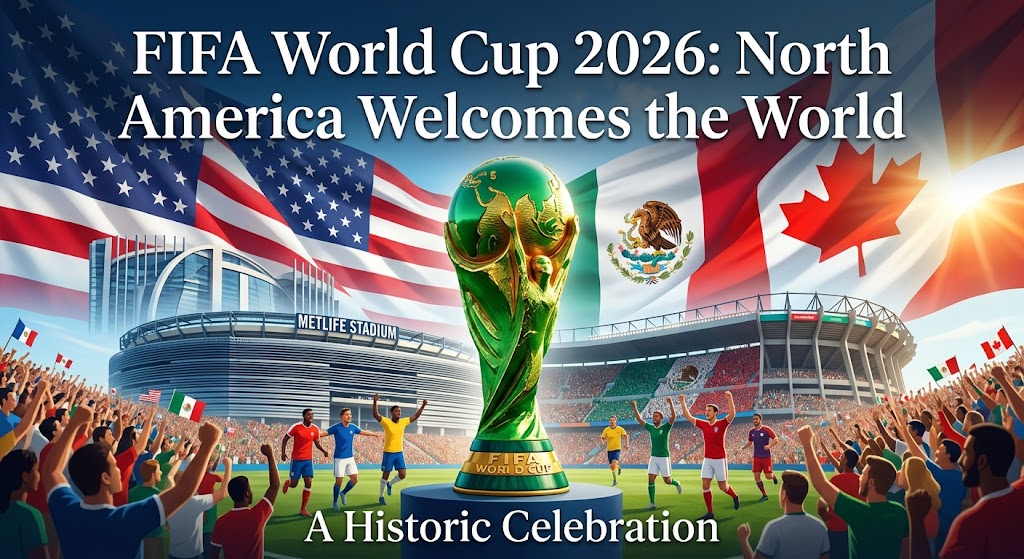
Whether you are a casual fan or a hardcore football enthusiast, here is a comprehensive guide to everything that makes the FIFA World Cup 2026 an iconic milestone.
The Host Nations and Historic Venues
For the first time in FIFA history, the tournament is being jointly hosted by three countries: the United States, Mexico, and Canada.
A total of 16 vibrant host cities are staging the matches across the North American continent, divided into Western, Central, and Eastern regions:
-
United States (11 Cities): Atlanta, Boston, Dallas, Houston, Kansas City, Los Angeles, Miami, New York/New Jersey, Philadelphia, San Francisco Bay Area, and Seattle.
-
Mexico (3 Cities): Guadalajara, Mexico City, and Monterrey.
-
Canada (2 Cities): Toronto and Vancouver.
Historic Highlight: Mexico City’s legendary Estadio Azteca hosted the grand opening match, making it the first stadium in history to feature in three different World Cup editions (1970, 1986, and 2026). Meanwhile, the highly anticipated World Cup Final is locked to take place at the massive MetLife Stadium in New York/New Jersey.
Expanded Format: 48 Teams, More Drama
The biggest change in the 2026 edition is the expansion of the tournament layout. Moving away from the traditional 32-team structure that was in place since 1998, FIFA expanded the competition to feature 48 nations.
This format changes the tournament dynamic significantly:
-
Total Matches: The number of total games increased drastically from 64 to 104 matches, spread across 39 action-packed days.
-
Group Stage Realignment: The 48 teams were divided into 12 groups of four teams each.
-
The Knockout Twist: Along with the top two teams from each group, the eight best third-placed teams also advanced, giving birth to a brand new knockout round—the Round of 32.
This expansion has allowed more emerging football nations from Africa, Asia, and North America to showcase their talent on the grandest stage, resulting in incredible upsets and high-scoring drama.
Key Tournament Schedule Breakdown
The tournament returned to its traditional June-July summer window, providing an electric atmosphere across North America. The progression of the mega event spans across these crucial stages:
| Tournament Stage | Timeframe |
| Group Stage Matches | June 11 – June 27 |
| Round of 32 (Knockouts Begin) | June 28 – July 3 |
| Round of 16 | July 4 – July 7 |
| Quarter-Finals | July 9 – July 11 |
| Semi-Finals | July 14 – July 15 |
| Third-Place Playoff | July 18 |
| The Grand World Cup Final | July 19 |
Why the 2026 World Cup is Globally Significant
Beyond the tactical matches and player performance, the 2026 World Cup is a commercial and cultural juggernaut. It has united millions of fans across different time zones, breaking broadcasting and stadium attendance records globally. The inclusion of three distinct host cultures provides a unique celebration of diversity, making it a true global festival.
As the tournament edges closer to its ultimate finale, the intensity is reaching a fever pitch. Only one nation will rise above the rest to lift the legendary gold trophy in New York, cementing their name forever in football folklore.